
Commercial & Industrial
Commercial Door Weatherstripping & Seals
Perimeter gasketing, door sweeps, automatic door bottoms, thresholds and astragals — the parts that decide whether a closed door is actually shut. Supplied and fitted on storefront, hollow metal and wood openings across Toronto and the GTA, including the labelled seals a rated door needs.
Request QuoteCall 800-522-6825
Fitted to the door, not shipped in a box · labelled seals for rated openings · portfolios in one visit
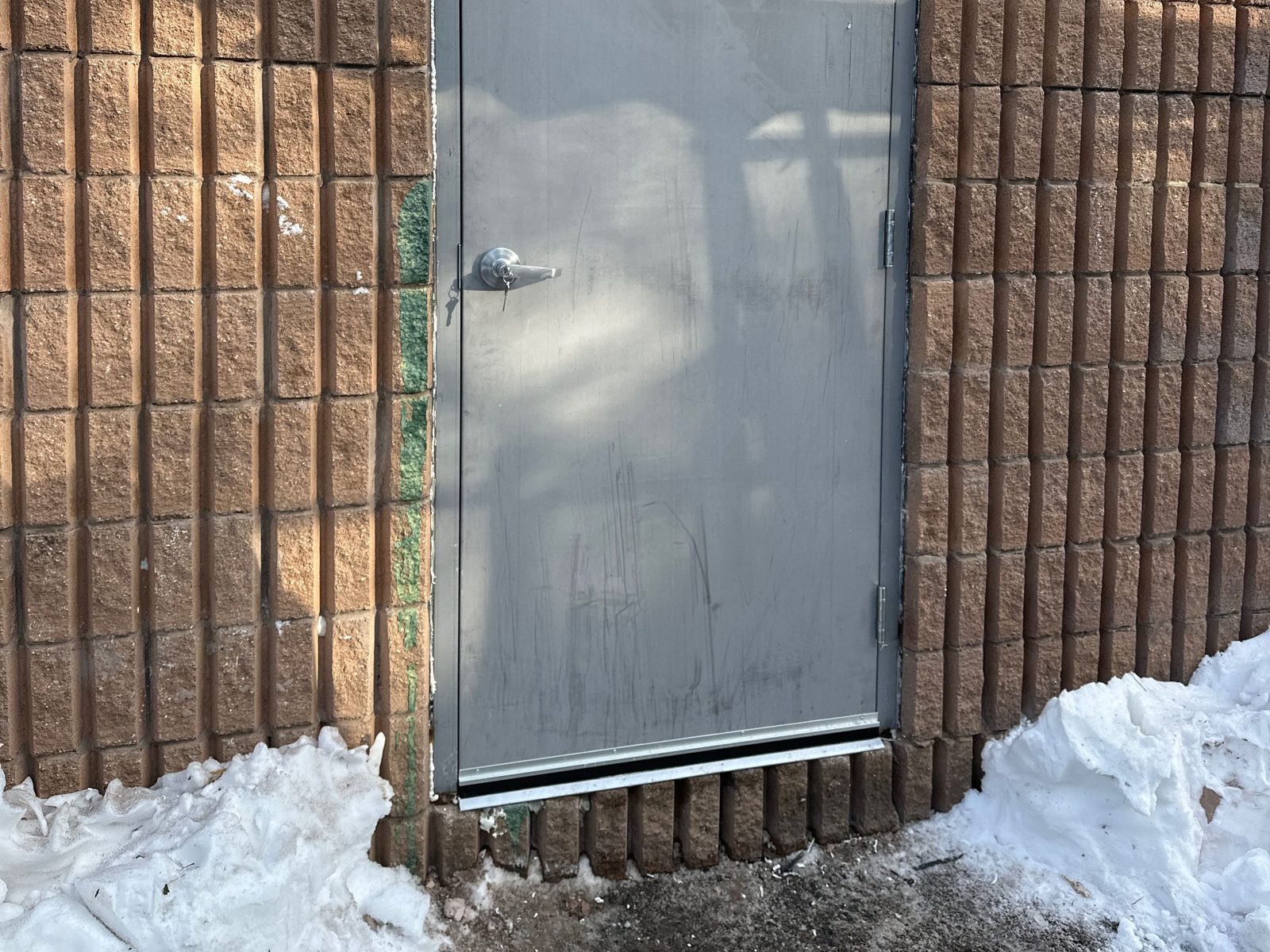
Weatherstripping is the least glamorous product on this site and the one with the most reliable payback. A commercial door can be perfectly sound, correctly hung and properly locked, and still be leaking heat, water, noise, dust and insects through a gap you can see daylight through — because a door only seals if something closes the space between the leaf and the frame.
There are four gaps on every opening, and each one takes a different product: the head, the two jambs, the bottom, and — on a pair — the meeting stile where the leaves come together. We fit all four, on aluminum storefront, hollow metal and wood doors, including the listed gasketing that rated openings require.
Four decades of doors for names Ontario knows — Canada’s Wonderland, Tim Hortons, Canadian Tire, the LCBO, Metrolinx, Marriott & Hilton hotels, the University of Toronto — plus thousands of businesses across the GTA. Dependable people, quality products, since 1979.
The four gaps, and what closes each one
| Head & jambs | Perimeter gasketing at the frame — silicone, neoprene or vinyl bulb, either set into a kerf machined in the stop or applied to it |
|---|---|
| Bottom (door) | A sweep fixed to the leaf, or an automatic door bottom housed in it that drops only when the door closes |
| Bottom (floor) | A threshold — saddle, offset or thermally broken — giving the sweep something flat and consistent to seal against |
| Meeting stile | An astragal on one leaf of a pair, overlapping the other. The hardest gap on any opening to close well |
| Rated openings | Listed smoke gasketing or intumescent seals that expand in heat. A tested product with a label, not a generic equivalent |
| Acoustic openings | Heavier compression seals plus an automatic door bottom, tuned for sound rather than air |
| Storefront doors | Pile (brush) weatherstrip and system-specific vinyl, matched to the aluminum framing — an entirely separate family |
| Cold storage | Insulated, low-temperature-rated gasketing, and often heated frames where ice would otherwise form |
Storefront, hollow metal and wood are not the same job
This is the distinction that catches out most general trades. The three door families take three different seal systems, and a product for one will not work on another.
| Aluminum storefront | Hollow metal | Wood | |
|---|---|---|---|
| Perimeter seal | Pile weatherstrip and system-specific vinyl, in the frame's own channels | Silicone, neoprene or vinyl bulb, in a kerf or applied to the stop | Kerfed silicone or vinyl, usually in a hollow metal or wood frame |
| Bottom | Sweep, often with a drip cap on an exterior door | Sweep or automatic door bottom, against a threshold | Automatic door bottom is common — offices, acoustics, smoke |
| Wears out because | Constant traffic and grit; pile flattens and stops touching | Impacts, temperature cycling and doors that get propped | Doors swelling and shrinking with the seasons |
| Watch for | Profiles are system-specific — the wrong one will not stay in the channel | Over-compression that stops the door latching | Whether the opening is rated, which changes the product |
| Typical life | 2–5 years on a busy entrance | 5–7 years on a protected exterior door | 5–10 years on an interior opening |
The most common mistake we are called to correct is a hardware-store bottom seal glued to the floor under an exterior steel door. It will be shredded by spring, and while it lasted it stopped the door latching properly — which turned a draught into a security problem.
What poor sealing actually costs
Air leakage at doors does not appear as a single line on a bill, which is why it survives so long. What it shows up as:
- Heating and cooling — an exterior door with a 6 mm gap around three sides is a permanent opening in the building envelope, running around the clock.
- Ice and condensation on the inside face of an exterior door, which then rusts the leaf and the frame from the bottom up.
- Water tracked in at every entrance in a thaw, and the slip claims that follow it.
- Pests and dust — the reason food, pharmaceutical and cleanroom sites treat perimeter seals as part of the sanitation programme rather than as maintenance.
- Noise, between corridors and offices and from mechanical rooms.
- Smoke, on rated openings — the one where the seal is doing life-safety work rather than saving money.
Where this work goes
Warehouses & distribution
Man doors beside the dock, exposed to weather all day and propped open half of it.
Retail & storefronts
Entrance doors where pile weatherstrip flattens under constant traffic and the draught lands on the cashier.
Schools & universities
Exterior doors across a campus, resealed in one summer pass along with the hardware they share a schedule with.
Food processing
Perimeter openings where seals are a sanitation control, not a comfort item.
Office buildings
Stairwell and mechanical-room doors, where the target is noise and smoke as much as air.
Hospitals & clinics
Openings sealed for pressure and for quiet, where automatic door bottoms replace dragging sweeps.
Cold storage & food service
Freezer and cooler openings, where the wrong gasket ices up rather than seals.
Property management portfolios
Common-area and exterior doors across many buildings, surveyed once and rescheduled annually.
Seals will not fix a door that does not close
The honest limit of this page. Weatherstripping closes the gap between a properly hung door and its frame. If the gap exists because the leaf has dropped on its hinges, the frame has moved, the closer is too weak to pull the door into its seal, or the door is warped, then no seal will work — you will simply compress it until it stops the door latching and then be back where you started, with worse hardware.
We check the door and frame before quoting seals, which sometimes means telling you the real job is hardware or a frame repair. That conversation is less expensive before the material is ordered.
How the work runs
- Survey. Every exterior and rated opening: where the daylight is, what is fitted now, what the door family is, and whether the leaf and frame are sound.
- Specify. The seal family for each door type, plus thresholds where the floor detail needs one and listed gasketing on anything rated.
- Supply. Standard seals, sweeps and thresholds in days to a couple of weeks; labelled, thermally broken, acoustic or custom storefront profiles 4–6 weeks.
- Fit. Fast — several doors a day per technician, typically the whole building in one visit, and normally scheduled around the tenants.
- Re-check annually. Autumn, before the first cold snap. It is the single least expensive maintenance round in the building.
Door work across the GTA
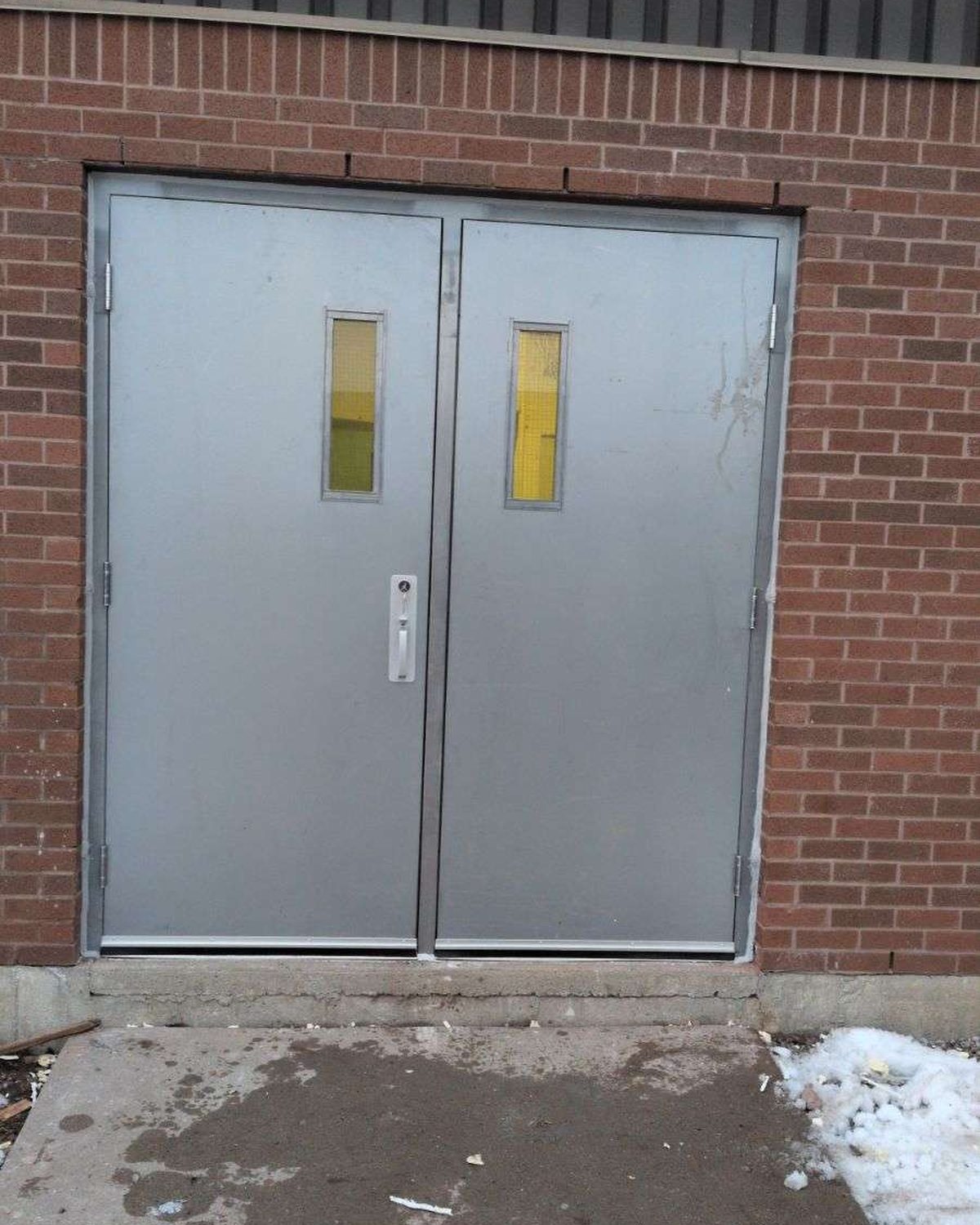
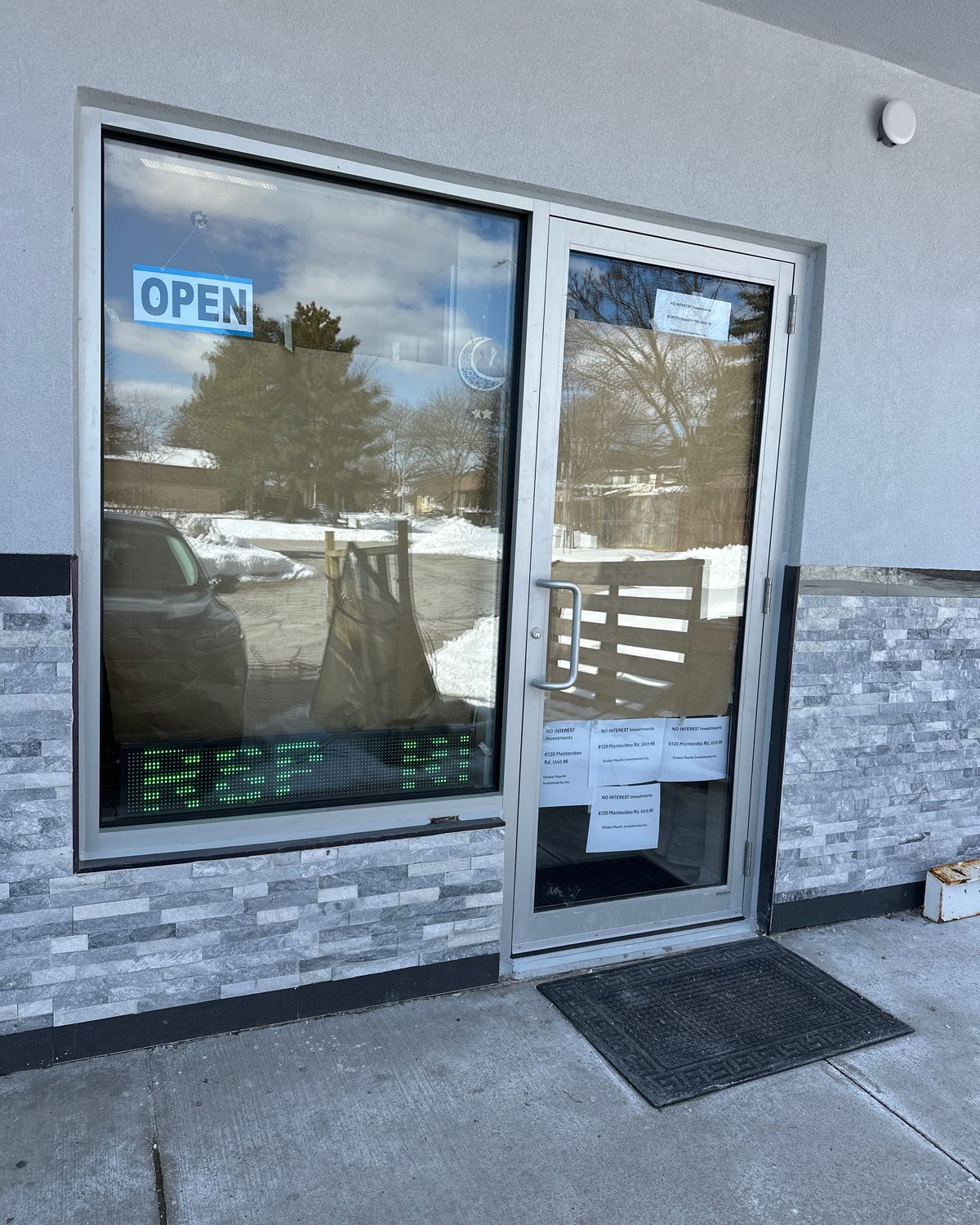
Seals are rarely the subject of a photograph — these are documented door and frame jobs from our own project files, every one of them sealed at the perimeter.
AVR Underground Co. LTD
The installation of new exterior Glass Aluminum storefronts with automatic door operators and hollow metal…
Toys R US
Supply and installation of steel doors and frames , glass, and hardware.
CuraLeaf Holdings
This is interior expansion project for Curaleaf at a site, Brampton…
BOLD Developments
Installation of glass aluminum doors and windows, and hollow metal doors.
Allyant Design
St. Joseph's Healthcare Hamilton
Omni King Edward Hotel
Zoran Properties Inc. - PCC428
What our customers say
I called in on Saturday as the back entry door of my restaurant had an issue with the panic bar! They serviced my door same day as it was an emergency and the service tech Ahmed did a wonderful job and answered all my concerns! They even changed the lock for me and fixed the door. …
Read the full review
As a small Landlord in the East end of Toronto I respond to my Tenants professionally in a timely cost effective way. This occurred over the Xmas holidays with a broken commercial door hinge. …
Read the full review
I had an old metal and class commercial door that was sagging. I opted for a re-hinging with new continuous hinge system. Process from quote to job done was very easy and competitive priced. Technicians were on time and did the job professionally. My door opens and closes beautifully.
Weatherstripping work across Toronto & the GTA
We reseal commercial doors right across the core GTA and out into the Southern Ontario belt, from our shop in Mississauga. This is planned work almost always — a building's worth of openings surveyed and done in one pass, usually in autumn, before the first cold snap makes the point for us.
Core GTA
- Toronto
- Mississauga
- Brampton
- Vaughan
- Markham
- Scarborough
- North York
- Etobicoke
- Richmond Hill
- Oakville
- Burlington
- Milton
Southern Ontario belt
One draughty door does not justify a drive to Kitchener and we will say so. Forty doors across three buildings does — and that is what this work usually is, because the openings all went in at the same time and are all failing at the same time. See all service areas
What resealing a commercial door costs
Weatherstripping is among the least expensive work we do and the one with the fastest payback on an exterior opening. What moves the number:
- Door type — aluminum storefront, hollow metal, or wood, which use different seal families
- Which gaps are being closed: head and jambs, bottom, threshold, or the meeting stile of a pair
- Whether the frame is kerfed for a seal or needs adhesive or applied stops
- Sweep against an automatic door bottom, which drops only when the door closes
- Whether the threshold is being replaced, and whether it must be thermally broken
- Labelled smoke or fire gasketing, which is a listed product and not a hardware-store equivalent
- Acoustic seals, where the target is sound rather than weather
- How many doors are done in one visit — the labour, not the material, is the cost here
- Whether the door itself is dropped, warped or binding, which no seal can fix
Be sceptical of anyone who quotes seals for a door that will not close properly. Weatherstripping seals a gap; it cannot correct a leaf that has dropped on its hinges or a frame that has moved. We check the door first and say which of the two you actually have.
Common questions
Does weatherstripping go on the door or on the frame?
Both, and each gap takes a different product. The head and jambs are sealed at the frame — either in a kerf machined into the stop, or with an applied seal fixed to it. The bottom of the opening is sealed at the door itself, with a sweep or an automatic door bottom fitted to the leaf, closing against a threshold in the floor. On a pair, the gap where the two leaves meet is closed by an astragal fixed to one of them. Getting this wrong is the commonest DIY failure: a bottom seal glued to the floor lasts one winter.
What is the best weatherstripping for a commercial door?
There is no single best — the material follows the door. Aluminum storefront doors use pile (brush) weatherstrip and vinyl or silicone bulbs designed for the framing system. Hollow metal doors take silicone, neoprene or vinyl seals, usually in a kerf or applied to the stop, with silicone the best performer in Ontario's temperature range because it stays flexible when it is cold. Rated openings take listed gasketing and nothing else. What matters more than material is that the seal suits the gap: over-compressing a door to close a large gap wears the hardware and stops it latching.
How do I know my weatherstripping needs replacing?
Turn the lights off inside on a bright day and close the door. Daylight is the gap, and where you see it tells you which seal has failed. The other reliable signs: a draught you can feel with a hand at the jamb, ice or condensation forming on the inside of an exterior door, snow blowing under it, a whistle when the wind is up, and a heating bill that rises faster than the weather explains. On a food or pharmaceutical site, pests and dust at a perimeter door are the same symptom.
What is an automatic door bottom?
A seal housed in the bottom edge of the door that drops only when the door closes, and lifts as it opens. It is the answer where a fixed sweep would drag on carpet, on an uneven floor or on a threshold that has to stay flat for carts and chairs — and it is what most acoustic and smoke-rated openings use, because it seals hard when closed without fighting the door every time it swings. It costs several times what a sweep does and lasts considerably longer on a busy door.
Can weatherstripping be fitted to a fire-rated door?
Only listed gasketing, and only where the door's label permits it. Rated openings often require smoke seals or intumescent gasketing that expands in heat, and those are tested products with a listing — a generic seal off a shelf invalidates the assembly. The other constraint is that gasketing must not stop the door latching: a fire door has to close and positively latch every time, and an over-thick seal can defeat it. Both are checked at the annual fire door inspection.
Will new seals stop the noise coming under my door?
Partly, and the bottom is where most of it comes through. An automatic door bottom against a good threshold plus perimeter gasketing usually makes a noticeable difference on a normal office door, because sound follows air and both take the same path. But there is a limit: a hollow, light door will still transmit sound through its face however well it is sealed. Where privacy actually matters, the door itself has to be an acoustic assembly — see soundproof and acoustic doors.
How long does the work take?
Materials for standard perimeter seals, sweeps and thresholds are usually days to a couple of weeks; specialty items — labelled smoke gasketing, thermally broken thresholds, acoustic packages, custom storefront profiles — run to 4–6 weeks. The labour is fast: a technician can reseal several doors in a day, and it is normally scheduled in one visit for the whole building. Replacing a threshold takes longer than the rest because the floor and the fixings decide the job.
How often does commercial weatherstripping need replacing?
On an exterior door in Ontario, plan on inspecting it annually and replacing it every three to seven years, depending on traffic, exposure and material. Pile weatherstrip on a busy storefront door wears fastest; silicone in a protected jamb lasts longest. Sweeps on doors that get kicked, propped or driven through by carts are effectively a consumable. The least expensive approach by a wide margin is to check every exterior opening once a year, in autumn, and replace what has gone rather than waiting for the complaint.
Daylight around the door, or ice on the inside of it?
Send a photo of the opening from inside with the door closed and the lights off behind it. Where the daylight is tells us what needs replacing, and we can quote from there.