
Comparison
Steel Door vs Fiberglass — Which Is Better for an Ontario Entrance?
Fiberglass wins on appearance and dent resistance and costs more; steel wins on price and security, and needs its paint kept intact. Both insulate far better than solid wood. On a commercial opening the question barely arises: hollow metal is the standard, and fiberglass belongs in wet or corrosive rooms.
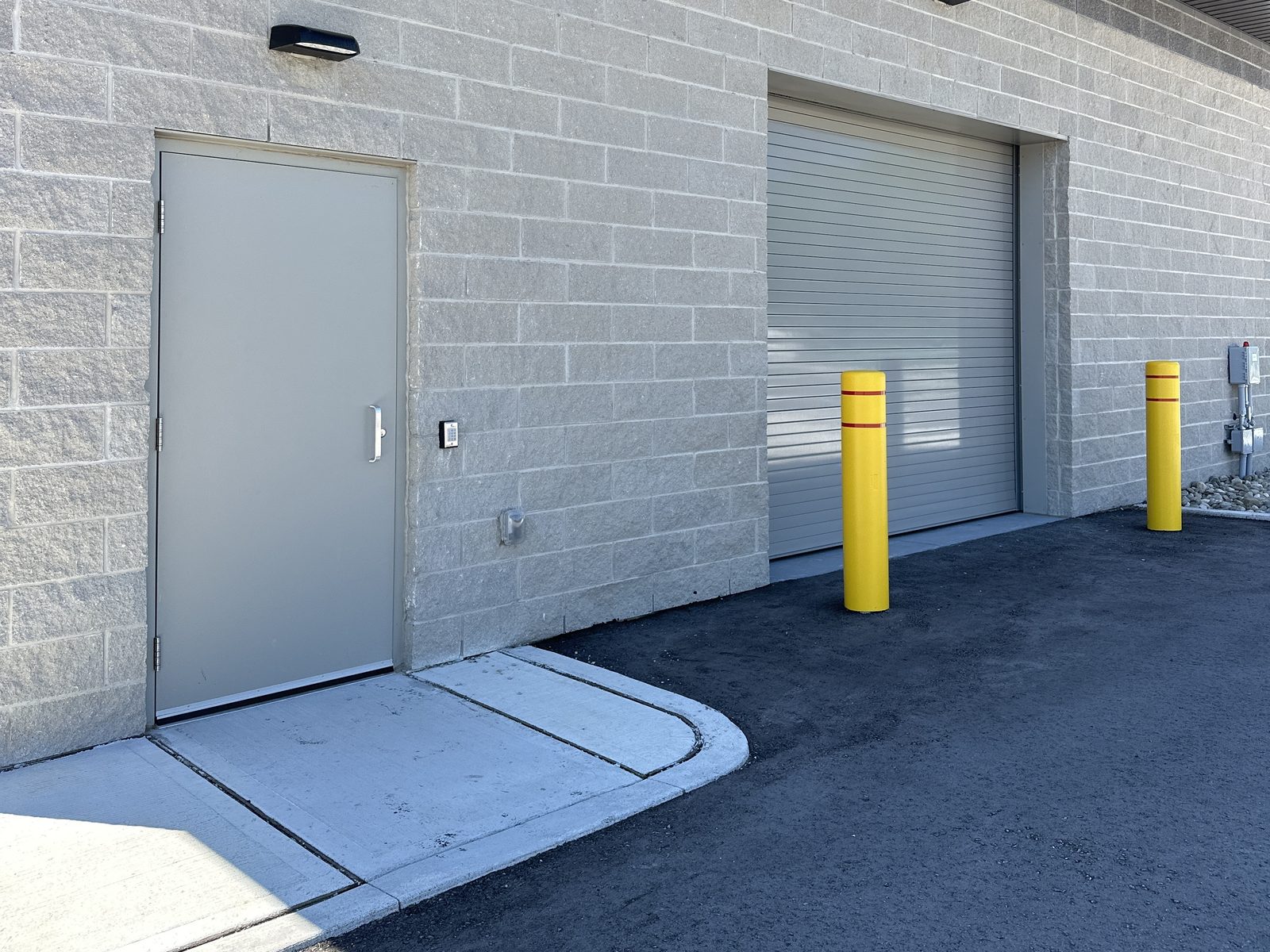
Most "steel versus fiberglass" guides are written for a homeowner choosing a front door, and for that choice they are broadly right. What they rarely say is that the answer changes completely when the door leads into a warehouse, a stairwell or a restaurant kitchen.
This guide covers both: the house door, where the choice is genuinely close, and the commercial opening, where it usually is not. We have installed and repaired doors across Toronto and the GTA since 1979, and most of the steel doors we hang are commercial.
Four decades of doors for names Ontario knows — Canada’s Wonderland, Tim Hortons, Canadian Tire, the LCBO, Metrolinx, Marriott & Hilton hotels, the University of Toronto — plus thousands of businesses across the GTA. Dependable people, quality products, since 1979.
Is a steel or fiberglass door better?
For a house, fiberglass is the better door and steel is the better value. Fiberglass resists dents, does not rust and takes a convincing wood grain; steel costs less and is harder to force. For a commercial building, steel wins by default, because the hardware, the frames and the fire ratings that commercial openings need are built around it.
The two materials are closer than the marketing suggests on the thing most people ask about first — energy. Both are made the same way: a thin skin over an insulated foam core. Natural Resources Canada's own guidance is that insulated-core doors are more thermally resistant than solid-material doors and doors with glazing (NRCan, Keeping the Heat In, section 8). The skin material matters far less than the core, the weatherstripping and how well the door is hung.
| Steel door | Fiberglass door | |
|---|---|---|
| Dents | Can dent; pulled and filled, then repainted | Resists denting and scratching |
| Rust | Can rust where a scratch reaches bare metal | Does not rust |
| Insulation | Insulated foam core; far better than solid wood | Insulated foam core; far better than solid wood |
| Security | The strongest option against forced entry | Better than wood, below steel |
| Appearance | Smooth or embossed wood-grain skin, painted | The most convincing wood grain; paint or stain |
| Upkeep | Keep the paint intact; touch up chips | Lowest upkeep; refinishing is a professional job |
| Price | The economical option | Comparable to good wood, or noticeably higher |
| Fire rating | Available in labelled steel assemblies | Not the usual route for a rated opening |
The durability, security, appearance and price rows follow what ProVia, a manufacturer that builds both types, publishes about its own lines (ProVia, fiberglass vs steel entry doors). We have not added prices, because a door's cost depends far more on its glass, frame and hardware than on its skin.
What are the disadvantages of a steel door?
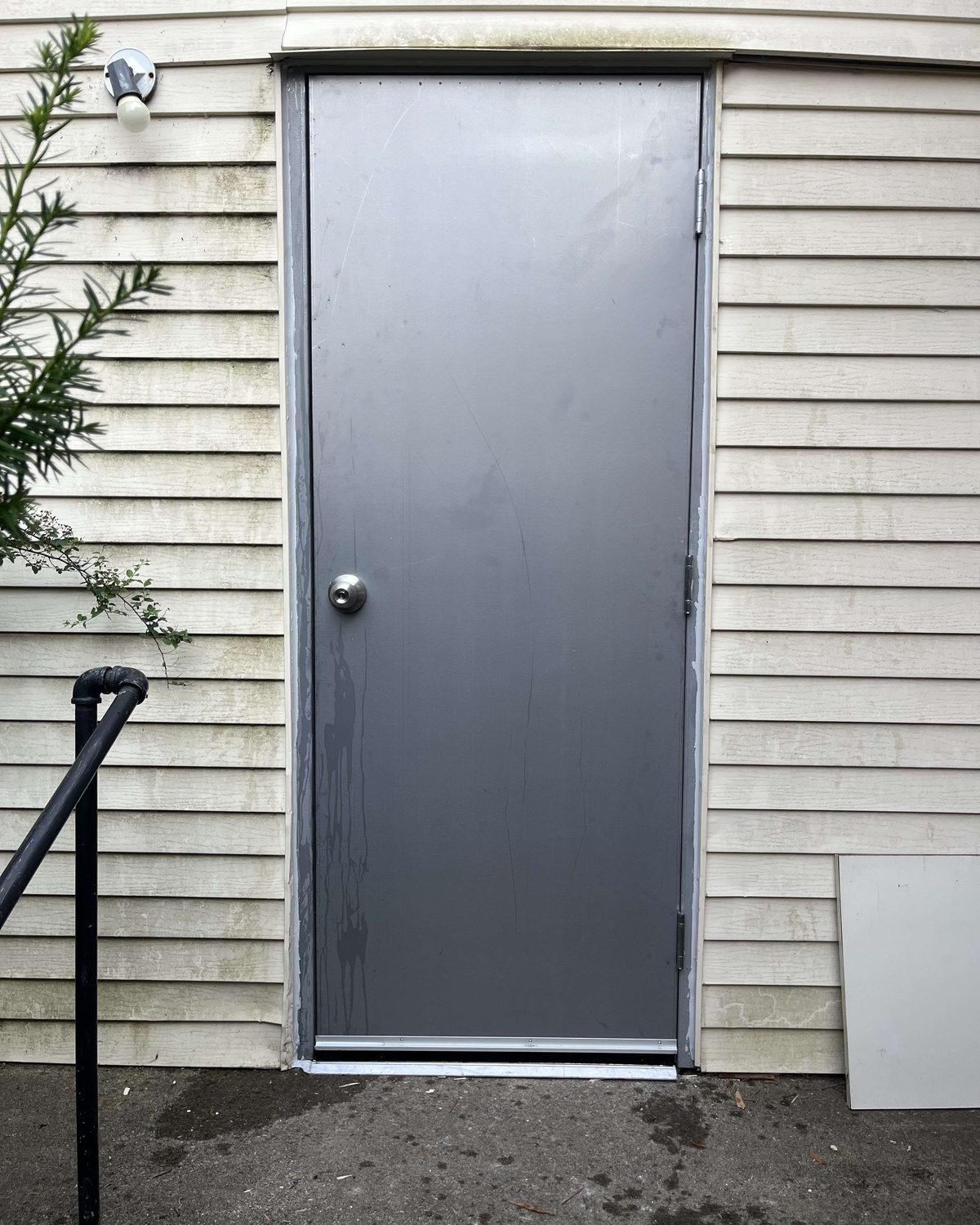
A steel door dents, it can rust where the coating is broken, and it can bow slightly in strong sun if it is painted dark. None of these is a reason to avoid steel; all three are reasons to choose the colour carefully and keep the paint in good order.
- Dents. The skin is thin. ProVia's own advice is to pull and putty a dent with an auto-body repair kit, then refinish — so on a door that takes carts, dollies or car bumpers, a steel kick plate is inexpensive insurance.
- Rust. Exterior steel doors are normally made from zinc-coated (galvannealed) steel and primed, so rust starts where that coating is breached. A scratch to bare metal at the bottom of an exterior door — where salt and meltwater sit all winter — is the classic starting point.
- Thermal bow. The Steel Door Institute describes a temporary bow in metal doors caused by the temperature difference between the two faces, worst in direct sun and on dark colours, which can make the door hard to latch. It can also happen in reverse in extreme cold, and painting the exposed face a lighter colour is the standard remedy (SDI 122, installation and troubleshooting guide).
What is the disadvantage of fiberglass doors?
Mostly cost. A fiberglass door is priced like a good wood door or above it, and when it eventually needs refinishing, that is a job for someone who knows the product rather than a weekend with a roller.
Fiberglass is also not the strongest choice where security is the priority, and fire-rated openings are far more commonly built in steel. Those two limits matter little on a front door and a great deal on a commercial one.
Steel vs fiberglass vs wood: where does wood fit?
A solid wood door has the most authentic look of the three and insulates the worst. It is the one that moves with the seasons — shrinking, swelling and eventually warping — and it needs regular refinishing to stay weathertight, which is why wood is best kept for sheltered entrances, heritage buildings and interiors.
For commercial buildings, the same logic applies with more force. Wood belongs inside, as solid-core doors in offices, hotels and hospitals; our guide to
solid core vs hollow core doorscovers that side. On an exterior commercial opening, wood is rarely specified at all.
What about commercial buildings?
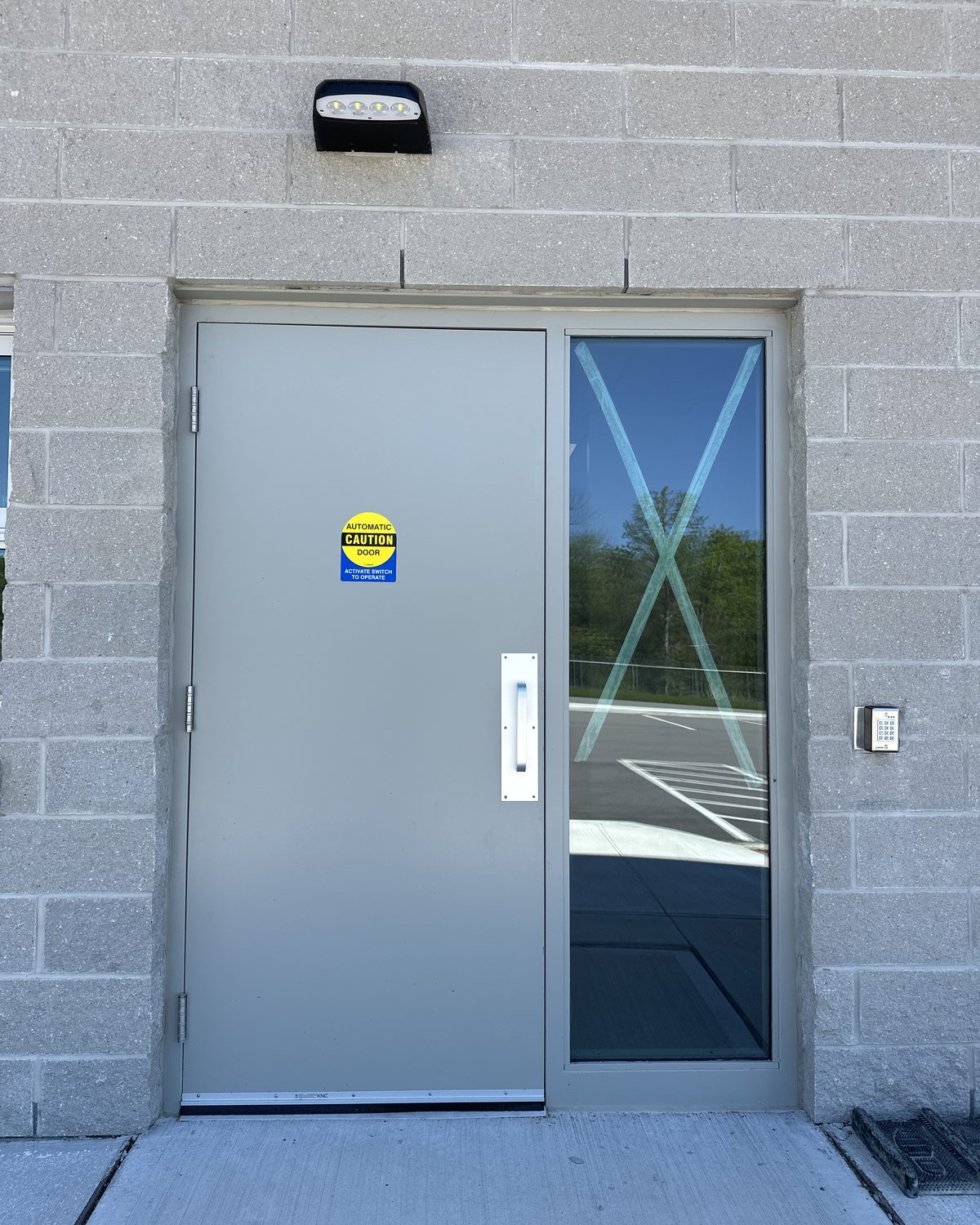
A commercial exterior door is almost always a hollow metal steel door in a steel frame. That is not a matter of taste: it is the construction that commercial hardware, access control and fire ratings are designed around.
The Steel Door Institute makes the point directly — steel doors take a wider selection of builders' hardware than aluminum doors and offer more options for fire ratings (Steel Door Institute FAQ). Panic devices, heavy-duty closers, mortise locks, electric strikes and card readers are all routine on a steel door. For the range we supply, see hollow metal and commercial steel doors.
The core is chosen for the job. The SDI lists five common cores: honeycomb for openings that do not need high insulation, polystyrene as the most common insulated core, polyurethane for exterior doors in cold climates, steel-stiffened for high-traffic utility openings, and temperature-rise cores where a fire rating limits heat transfer, such as a stair door. For an Ontario exterior door, the insulated cores are the ones to ask for.
Where fiberglass does belong in a commercial building
Fiberglass earns its place where steel would corrode. Fiberglass-reinforced plastic (FRP) doors are made for washdown areas, food processing and chemical environments, because the material does not rust or absorb water (Jamison Door, FRP door FAQs). In those rooms FRP outlasts painted steel; everywhere else, steel is the better door for the money.
Which is better for security?
Steel. A steel door in a steel frame, with a proper lock and a reinforced strike, is the hardest of the common exterior doors to force, and it is the material commercial security doors are built from.
The honest caveat is that a door is only as secure as its frame and hardware. A steel slab in a tired wooden jamb, held by a short-screwed strike plate, gives up at the jamb long before the skin matters. On commercial openings we hang steel doors in steel frames for exactly that reason, and on a house the same principle applies to the jamb and strike reinforcement.
Which lasts longer?
Both last for decades when they are installed square and looked after. What shortens the life of a steel door is corrosion at the bottom edge and the hinge side; what shortens the life of any door is a frame out of plumb, which wears hinges, closers and latches until something fails.
The upkeep is simple: keep the finish intact, keep the weatherstripping sealing, and keep the hardware adjusted. Our guide to
hollow metal door maintenance and paintingcovers the steel side in detail, including how to repaint one properly.
Which should you choose?
Choose fiberglass for a house front door when appearance and low upkeep matter most and the budget allows. Choose insulated steel for a house when value and security come first, and pick a lighter colour for a sunny elevation. Choose hollow metal steel for any commercial opening, and FRP only for wet or corrosive rooms.
For a house, see our entry and exterior doors and steel entry doors. For a commercial building, a new door is typically 4–6 weeks to produce once shop drawings are approved, then 1–2 weeks to schedule and install — and a door that has been broken into or will not lock is a 24/7 emergency call, not a quote request.
Common questions
What are the disadvantages of a steel door?
A steel door can dent, and a dent in the skin is pulled and filled with an auto-body repair kit rather than reshaped. If a scratch goes through the coating to bare metal it can rust, so chips need touching up. A dark steel door in full sun can also bow slightly while it is hot, which is why light colours are the safer choice on a sunny elevation.
What is the disadvantage of fiberglass doors?
Price, mainly. Fiberglass doors cost as much as a good wood door or noticeably more, and refinishing one properly is a job for a professional rather than a weekend with a brush. They also offer less resistance to a determined forced entry than steel, which is why steel remains the security choice.
Which is more energy efficient, steel or fiberglass?
There is little to choose between them. What makes an exterior door efficient is an insulated foam core and good weatherstripping, and both steel and fiberglass doors are built that way. Either one is far more thermally resistant than a solid wood door or a door with a lot of glass.
What type of exterior door is best?
For a house, fiberglass if appearance and low maintenance matter most, and insulated steel if budget and security come first. For a commercial building, a hollow metal steel door in a steel frame, because it takes commercial hardware and can carry a fire rating, with fiberglass kept for washdown and corrosive areas.
Can a steel door be painted, and can fiberglass?
Yes to both. A steel door is repainted over a compatible primer and is an ordinary maintenance job. A fiberglass door can be painted or stained too, but a full refinish is best left to a professional because the textured skin is easy to spoil.
Pricing a job like this?
Replacing an exterior door?
Tell us where the door is, what it opens into and whether it has to be fire-rated. We will tell you which material fits the opening and price the door, frame and hardware together.