
Featured project
Commercial Windows Replacement in Mississauga: 55 Wood Windows Replaced in Aluminum for Tandoori Flame
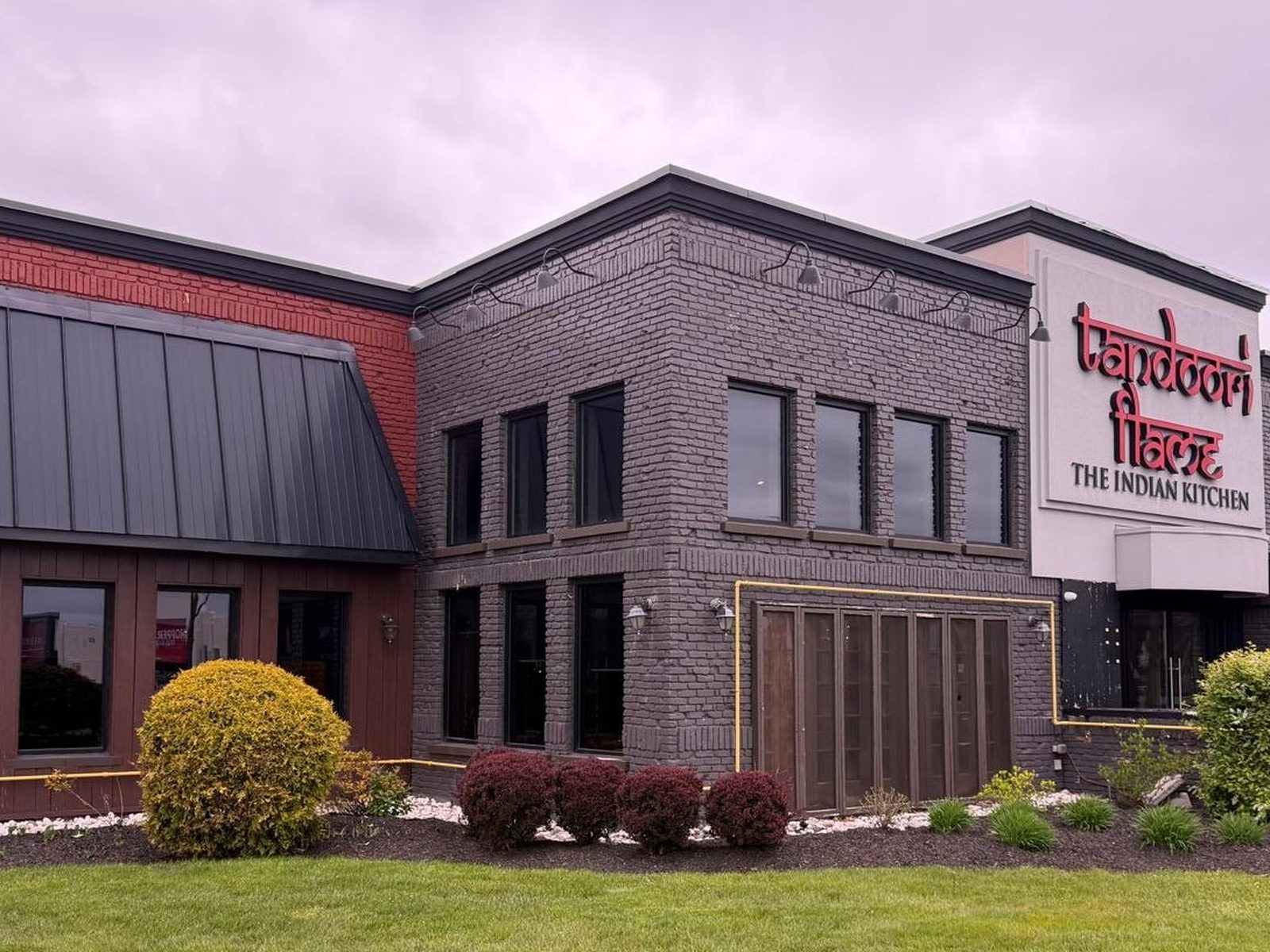
Fifty-five worn wood windows replaced with Commdor 2500 series aluminum windows, capped inside and out and glazed with tinted glass, at the Tandoori Flame restaurant in Mississauga. Awarded in August 2024 and installed in two batches, the second floor in October and the ground floor in December, working in the morning hours of a Canadian winter.
The job in numbers
| What was replaced | 55 wood windows, replaced with aluminum |
|---|---|
| System | Commdor 2500 series aluminum framing |
| Glass | Tinted glass |
| Finishing | Aluminum capping inside and outside |
| Batches | Second floor first (October 2024), ground floor second (December 2024) |
| Working hours | 7 am to noon, outside the restaurant's hours |
| Client | Tandoori Flame |
| Location | Mississauga, Ontario |
| Awarded | August 2024 |
Tandoori Flame's restaurant in Mississauga had fifty-five wood windows, and they had reached the end of their life. The owners wanted them gone: replaced with aluminum that would last, look sharp and hold heat better than damaged wood. Canuck supplied and installed all fifty-five, with no general contractor between us and the client. The job was awarded in August 2024.
What shaped the job was not the window count. It was that the restaurant stayed open, and the work fell in winter.
Four decades of doors for names Ontario knows — Canada’s Wonderland, Tim Hortons, Canadian Tire, the LCBO, Metrolinx, Marriott & Hilton hotels, the University of Toronto — plus thousands of businesses across the GTA. Dependable people, quality products, since 1979.
What went in
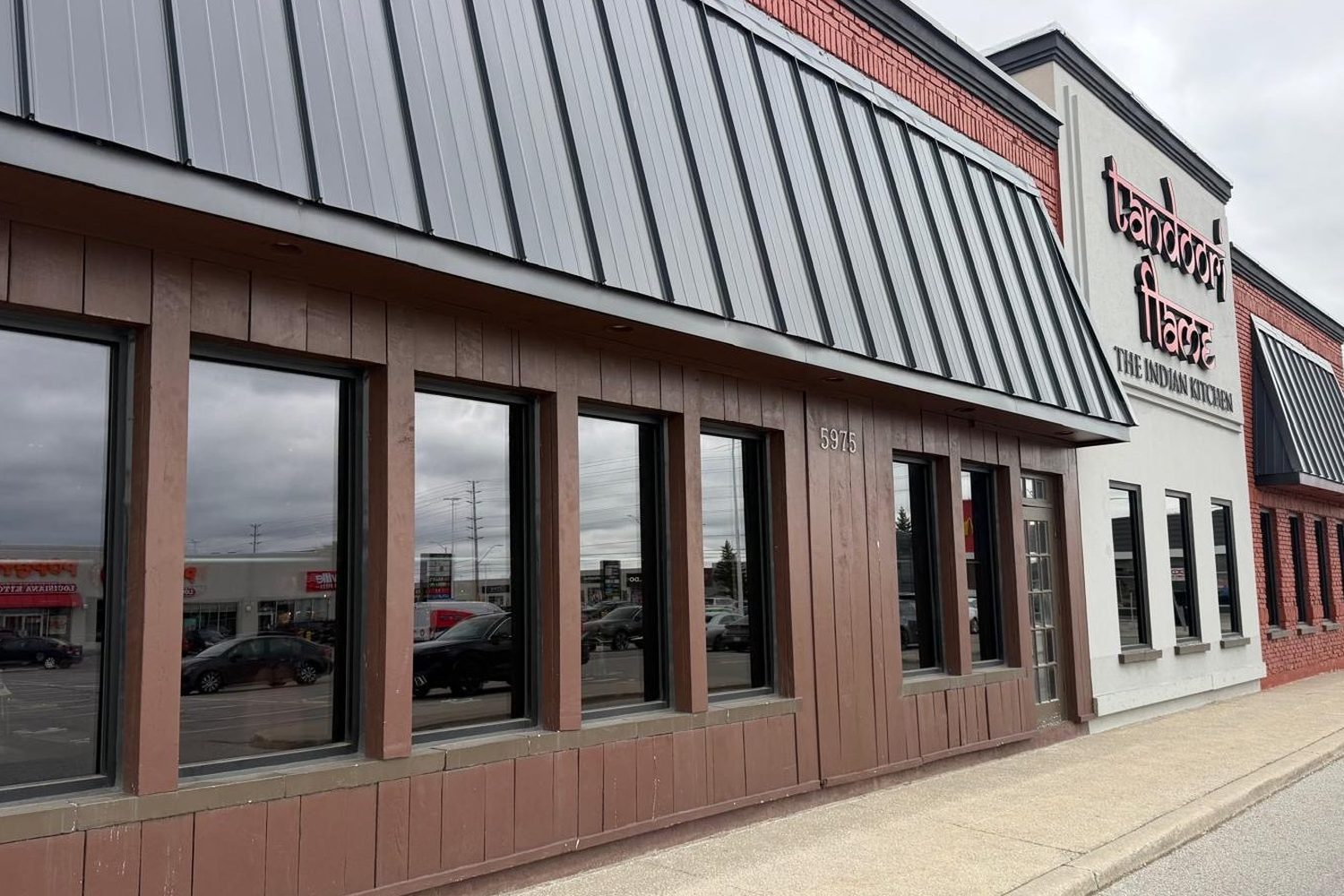
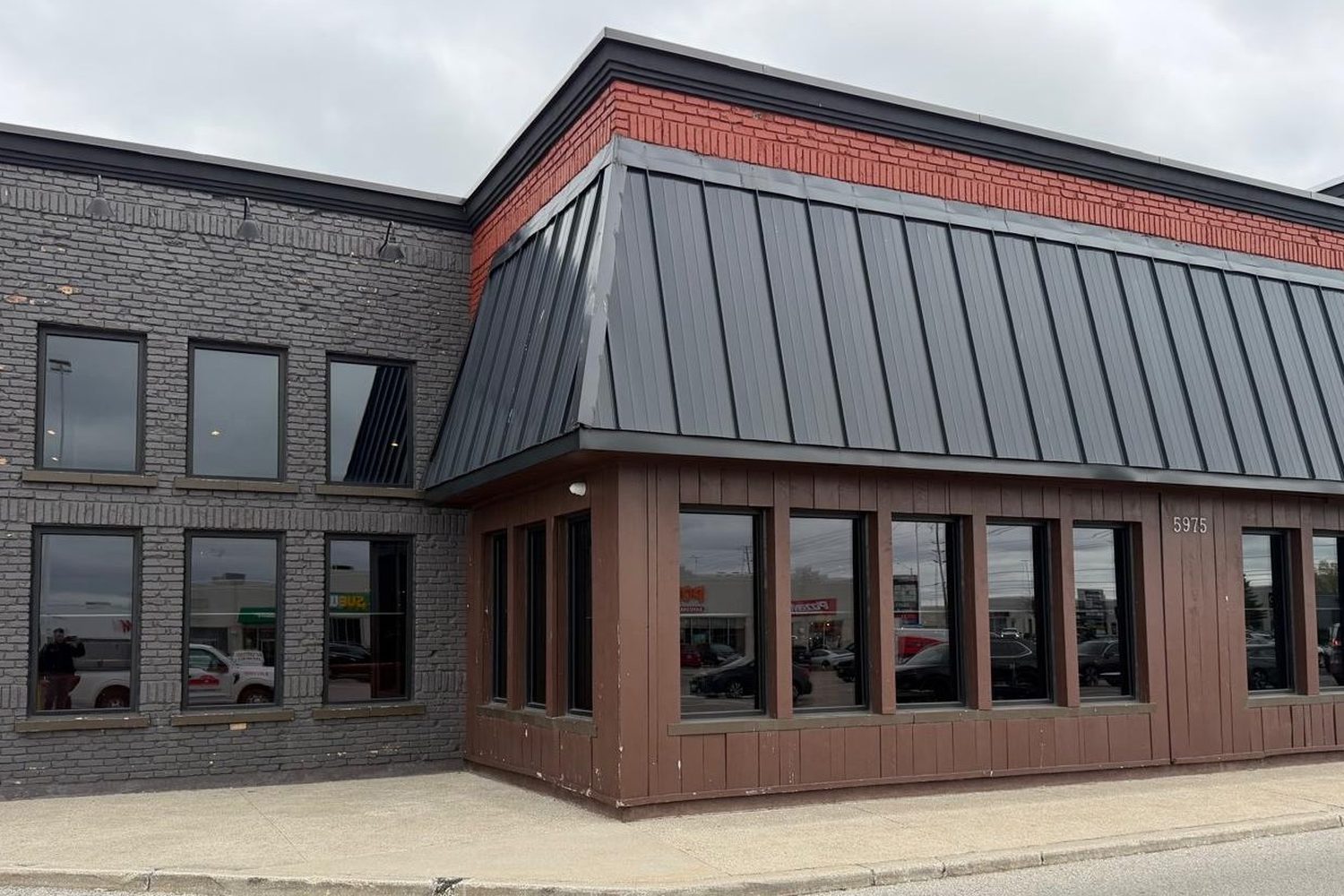
The new windows are Commdor 2500 series aluminum framing, glazed with tinted glass. Every opening was finished with aluminum capping on the inside and the outside. That is the part that turns a window replacement into a new look for the building. Taking out a wood window leaves a rough opening with damaged trim around it. Capping covers that edge with aluminum in the same finish as the frame, so the new window looks built in rather than fitted into an old hole.
Moving from wood to aluminum was the point of the job. Wood frames on a commercial building need painting, and once water gets in they rot. The old windows here had reached that stage. Aluminum does not rot and is not painted on site. The owners also asked for better insulation than the old wood gave them, and that was part of the brief from the start.
Two batches, second floor first
The windows went in in two batches. The second floor was done first, in October 2024, and the ground floor second, in December 2024. Final measurements were taken and the drawings approved before either batch went into production, because made-to-measure aluminum windows are only as good as the measure they are built from.
Working mornings in winter
The work had to happen outside the restaurant's hours, and in winter that left a short window: the crew could work from 7 am to noon, while there was daylight and before the restaurant needed the building.
Five hours a day is not much for removing and replacing windows, and in winter a building cannot be left with open holes in it. That is why the job took longer than planned. The pace was set by the hours available, not by the work.
The building added a second problem. Some windows could not be reached from the outside to be removed. On a normal replacement the old unit comes out from the exterior. Where that was not possible, removal had to be worked out opening by opening, inside a working restaurant.
The finishing took the longest
With both batches in, the remaining work was the interior finishing. That took several rounds with the client to get right, and it ran into 2025 before it was complete, somewhere between the middle and the end of the year.
It is worth being honest about that, because it is common. On a window replacement the new frame is the quick part. The finish around it, inside a room people use every day, is where the owner's eye is, and it is fair that the owner wants it right.
The result was what the owners had asked for: aluminum framing and tinted glass that match, and a front that looks like a modern commercial building rather than one with tired wood windows.
Questions this job answers
Can a restaurant stay open while its windows are replaced?
Yes, if the work is planned around it. On this job the windows were replaced outside the restaurant's hours, in two batches. It takes longer than working on an empty building, and the schedule should say so from the start.
Why replace wood windows with aluminum on a commercial building?
Aluminum does not rot, does not need painting on site, and keeps its shape. That is why most commercial buildings use it. Wood frames that have been damaged by water keep getting worse.
What is window capping?
Capping is a formed aluminum cover that goes around the window on the inside, the outside, or both. It covers the rough edge and the damaged trim left when an old window comes out, so the new window looks finished. On this job every opening was capped inside and out.
Why are some windows replaced from the inside?
Because the outside is not always reachable: a roof, an overhang, a sign or a neighbouring structure can be in the way. Removal then has to be planned for each of those openings, which is slower and needs more care in an occupied building. It is worth checking for these openings before the job is priced.
Where this sits
This was commercial window replacement in aluminum framing, on a restaurant in Mississauga. For the same kind of work on your own building, start with the storefront doors in Mississauga page.
Have an opening like this one?
Replacing the windows on a business that stays open?
Tell us how many windows there are, what they are made of now, and when the building is empty. That is enough to plan the batches and price the work around your hours.